Pastes, clays, pomades, waxes, creams: the styling aisle is full of jars that look the same and promise slightly different things. Two of the most versatile are texture paste and clay paste. Both add texture and hold, but they behave differently in the hair. Here's how to choose.
The quick answer
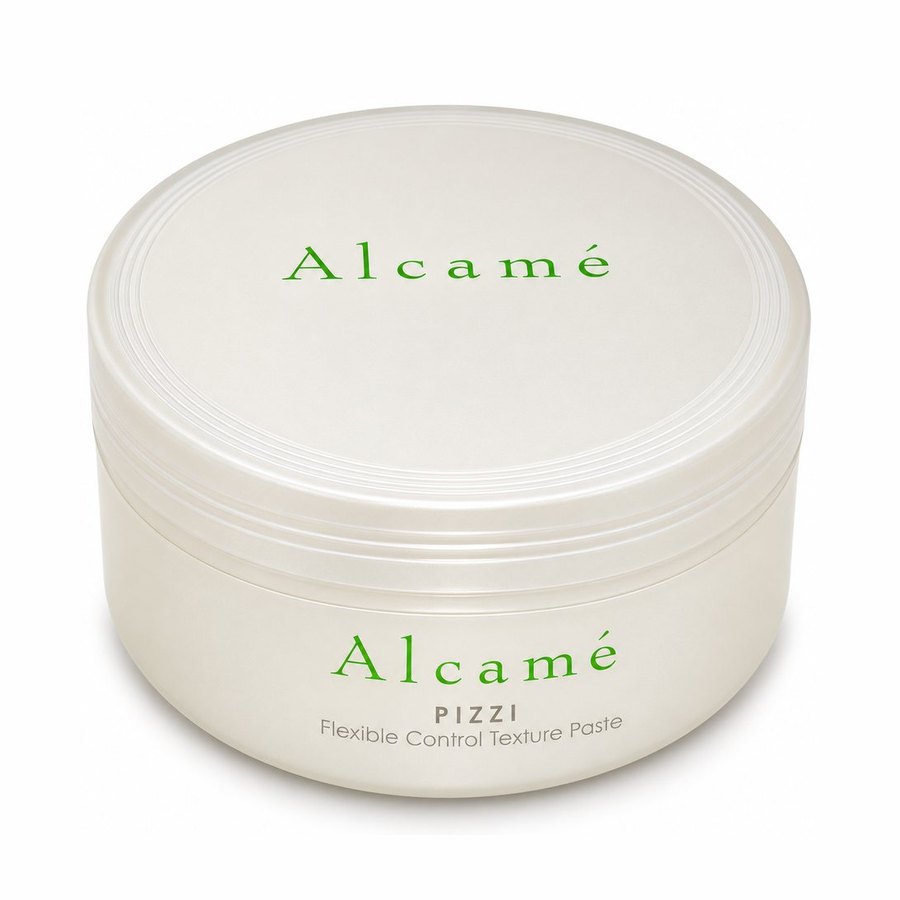
- Texture paste: flexible, moderate hold with a natural to soft-sheen finish. Easy to restyle during the day. Great for everyday, piecey texture.
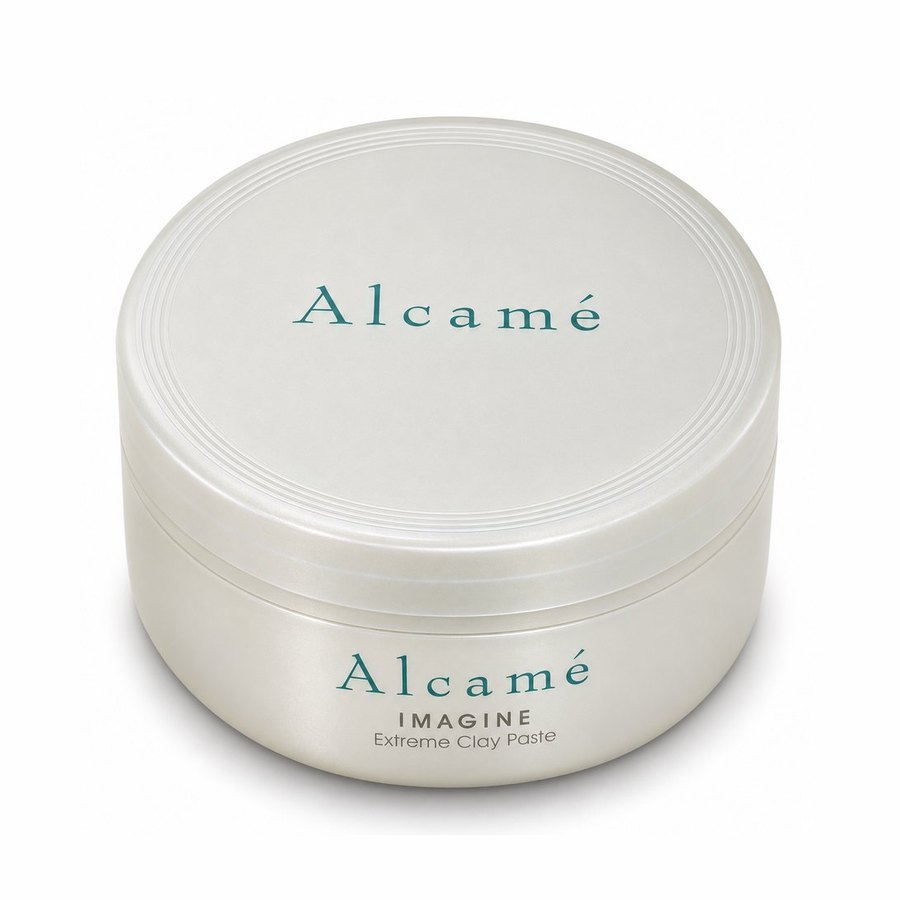
- Clay paste: stronger hold with a matte, dry finish. Adds grip and fullness. Great for bold, structured styles and fine hair that needs body.
What's the difference?
Hold
Pastes usually offer light to medium hold. They keep a style in place but stay flexible, so you can run your fingers through and reshape. Clays usually offer firmer hold, often described as strong or extreme. They're the better choice when you want height or shape that lasts all day.
Finish
Pastes tend to leave a natural look or a soft sheen. Clays absorb some light and oil, leaving a matte, "nothing-in-it" finish that reads as more textured.
Texture and fullness
Clays are excellent at making hair look thicker. They add grip between strands, so fine or flat hair has more body and holds volume better. Pastes give more separation and definition, with a softer, touchable feel.
Feel and washability
Pastes generally feel softer and are easier to wash out. Clays can feel drier and stiffer, and heavily applied clay may need a thorough shampoo, or two, to remove.
Which suits your hair?
| Your hair or goal | Better choice |
|---|---|
| Fine or flat hair that needs body | Clay |
| Thick or coarse hair that needs control | Paste or clay, depending on hold needed |
| Short, textured, messy styles | Either. Clay for matte, paste for soft. |
| Slicked or polished styles | Paste (or a pomade) |
| Styles you want to restyle through the day | Paste |
| High-hold quiffs, spikes or volume | Clay |
| Oily scalp or hair that looks greasy quickly | Clay, for its matte, absorbent finish |
How to apply styling paste or clay
- Start with dry or nearly dry hair. Most pastes and clays work best on towel-dried to fully dry hair. Clay especially can go gummy on wet hair.
- Use a small amount. About the size of a dime is plenty for short hair. You can always add more.
- Warm it between your palms until it's evenly spread and almost invisible on your hands.
- Work from the back to the front, starting at the roots for lift, then through the lengths.
- Define with your fingertips. Pinch and twist small sections to separate pieces and create texture.
- Finish with a blow-dryer if you want extra lift. A few seconds of warm air on the roots, followed by cool air, helps set the shape.
Common mistakes
- Using too much. This is the number-one reason a style looks greasy or stiff. Start small.
- Applying it in one clump. Uneven application leaves heavy patches. Always warm and spread it first.
- Only styling the surface. Work product into the roots and the interior of your hair for hold that lasts.
- Skipping the wash-out. Build-up from daily styling products weighs hair down. Wash thoroughly a couple of times a week.
Can you use both?
Yes. Some stylists mix a little paste with a little clay to get a balance of hold and shine, or use clay at the roots for lift and paste through the ends for definition. Experiment with small amounts to find your ratio.
The bottom line
Choose paste for flexible, natural texture you can rework all day. Choose clay for strong, matte hold and the look of thicker hair. If you have fine hair, clay is often the easier way to get lasting body. Our guide to adding volume to fine hair explains how to build lift before you style.