Frizz is one of the most common hair complaints, and it can strike any hair type. The good news is that frizz is mostly about moisture and friction, and both are things you can manage. Here's what causes it and how to calm it down.
What causes frizz?
Each strand of hair is covered by a protective outer layer, the cuticle. When the cuticle lies flat, hair looks smooth and shiny. When it's raised or roughed up, individual strands swell and separate, and that's what we see as frizz.
The biggest triggers:
- Dryness. Dry hair draws moisture from the air, swelling unevenly as it does.
- Humidity. On damp days, dry or porous hair absorbs water vapor, which disrupts its shape.
- Friction. Rough towels, cotton pillowcases, brushing dry hair and touching it often all lift the cuticle.
- Damage. Color, bleach and heat make hair more porous and more prone to frizz.
- Harsh cleansing. Strong detergents and very hot water leave hair drier and rougher.
Curly and wavy hair is naturally more prone to frizz, because its shape makes the cuticle less able to lie perfectly flat.
Wash-day fixes
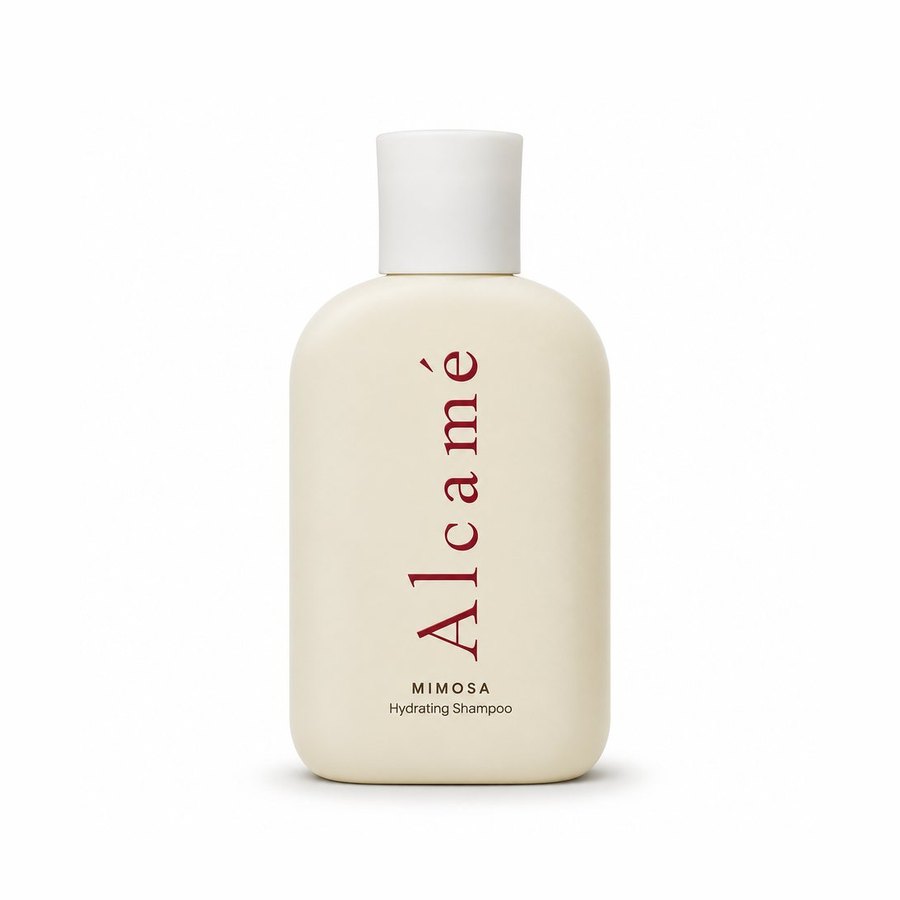
Use a gentle, hydrating shampoo
A hydrating, sulfate-free shampoo cleans without stripping. Focus it on the scalp and let the suds clean the lengths.
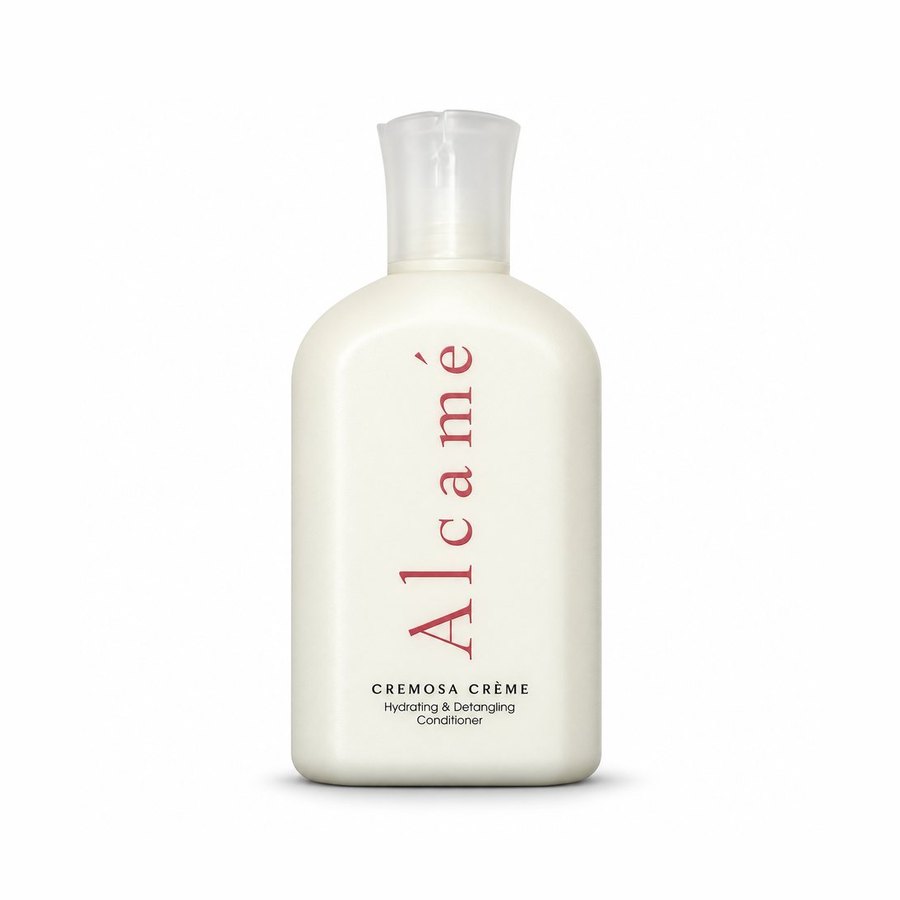
Never skip conditioner
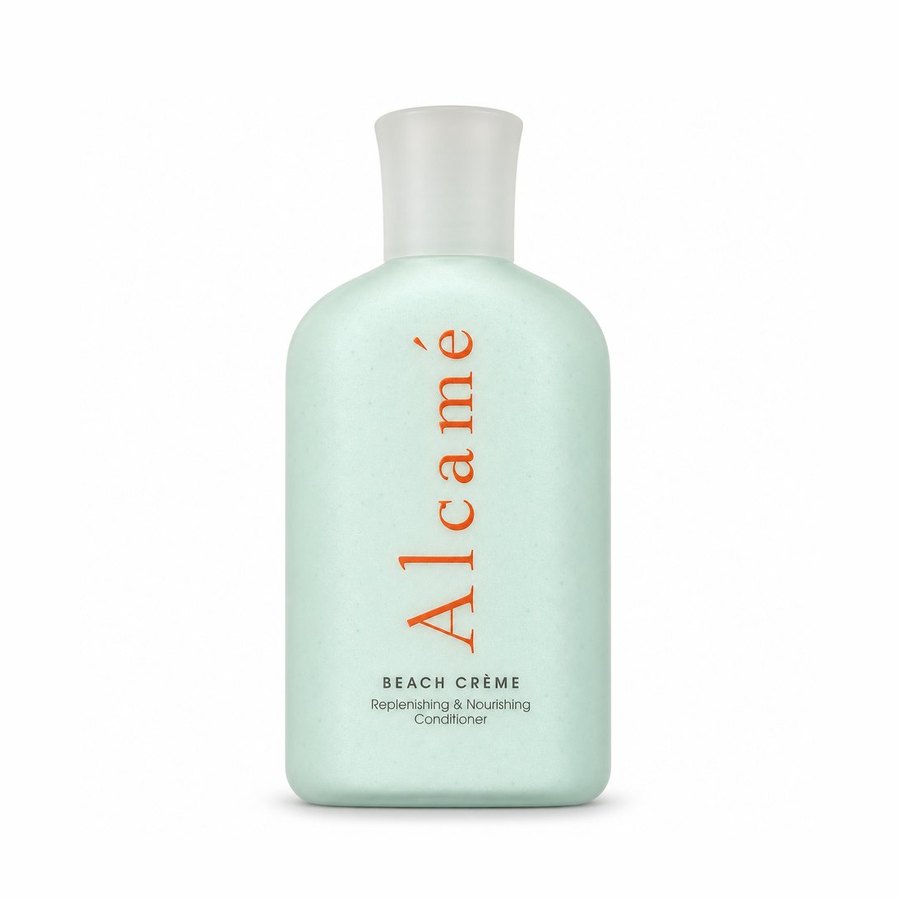
Conditioner smooths the cuticle and adds slip. Use a creamy, hydrating formula on the mid-lengths and ends, and detangle while it's in, with a wide-tooth comb or your fingers.
Finish with a cool rinse
A final rinse with cooler water helps hair feel smoother and look shinier.
Deep condition regularly
A weekly or biweekly treatment helps porous hair hold moisture better, so it's less likely to pull it from the air. See how to deep condition your hair at home.
Drying without frizz
- Swap the bath towel for a microfiber towel or an old cotton T-shirt, and blot or squeeze rather than rub.
- Don't brush wet hair aggressively. Detangle in the shower while conditioner is in.
- Blow-dry in the direction of the cuticle, pointing the nozzle down the hair shaft from roots to ends.
- Use a diffuser on curly or wavy hair to dry it without disturbing the curl pattern.
- Dry completely. Hair that's still slightly damp tends to frizz as it finishes drying in the air.
- Finish with cool air to help set a smooth style.
Styling and daily habits
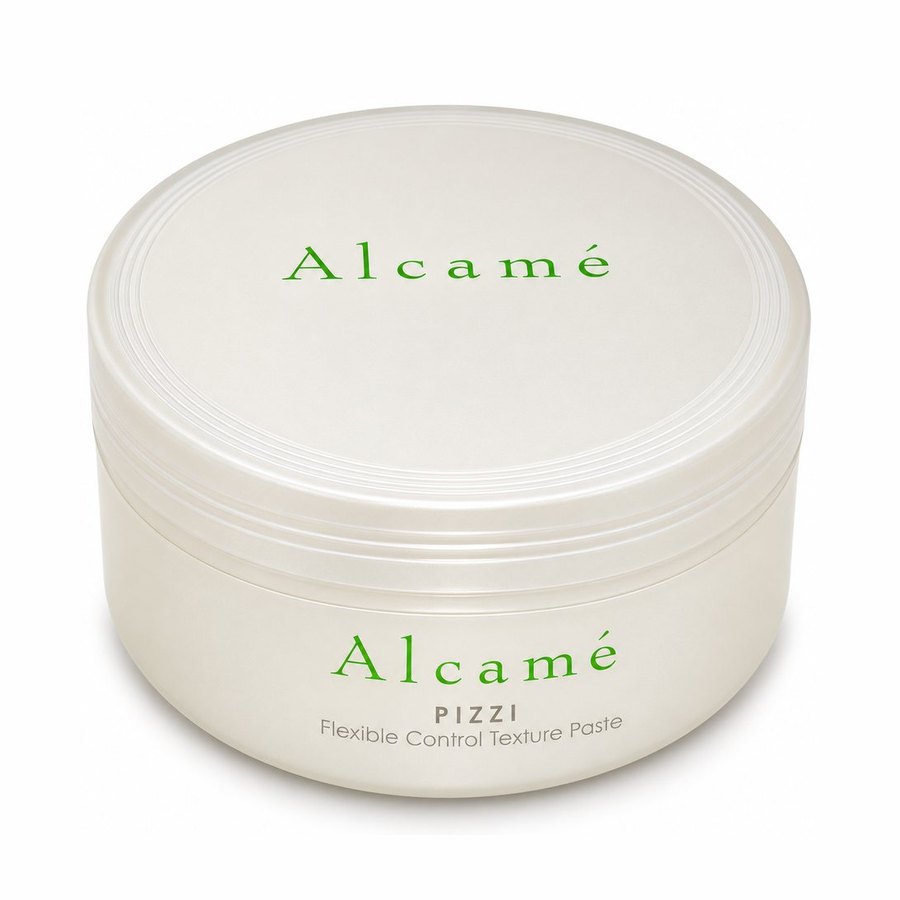
- Use a little product to seal. A small amount of styling cream, paste or serum smoothed over the surface helps tame flyaways.
- Keep your hands off. The more you touch your hair, the more frizz you'll create.
- Use a heat protectant before hot tools, and keep temperatures moderate.
- Sleep on silk or satin, or loosely braid or wrap long hair at night to reduce friction.
- Get regular trims to remove split ends, which make frizz look worse.
Humid-day strategies
When the air is heavy, work with your hair instead of against it:
- Choose styles that hold up, such as braids, buns or a sleek ponytail.
- Apply your styling product to damp hair so it's sealed before you head out.
- Carry a small amount of paste or cream to smooth flyaways during the day.
The bottom line
Frizz comes down to dryness and friction. Hydrate with gentle cleansing and good conditioning, dry carefully, cut down on friction and seal with a little product. Within a few washes, you should see smoother, shinier hair. For more on moisture, see how to hydrate dry hair.