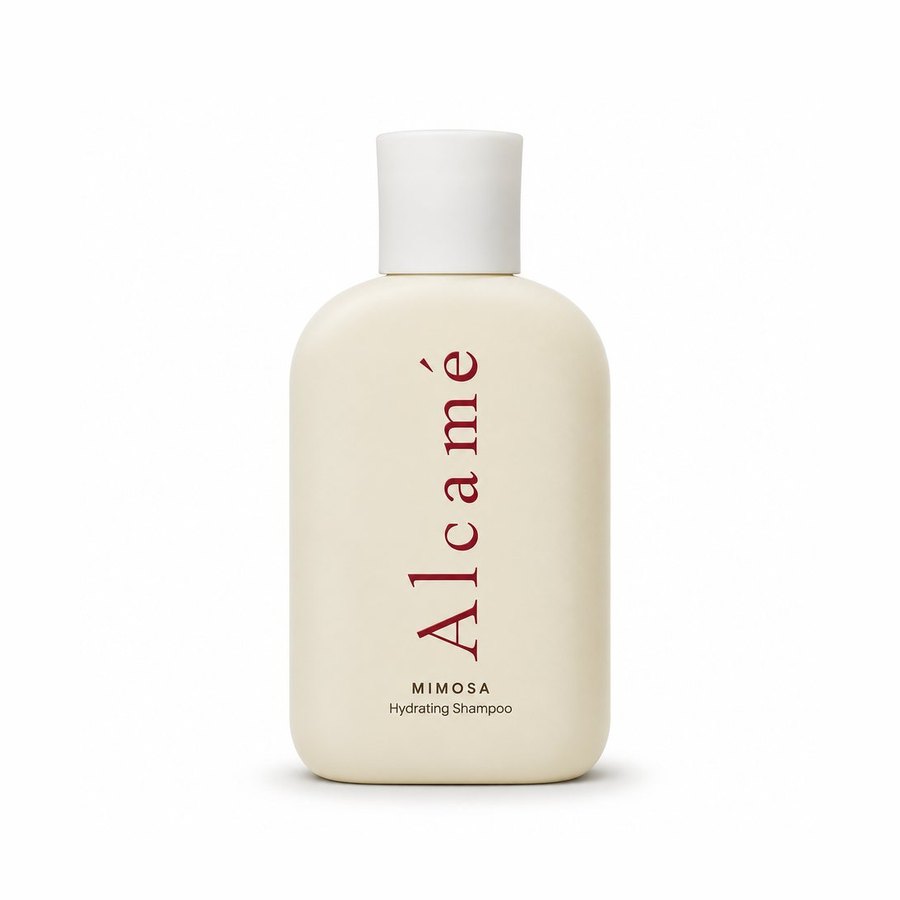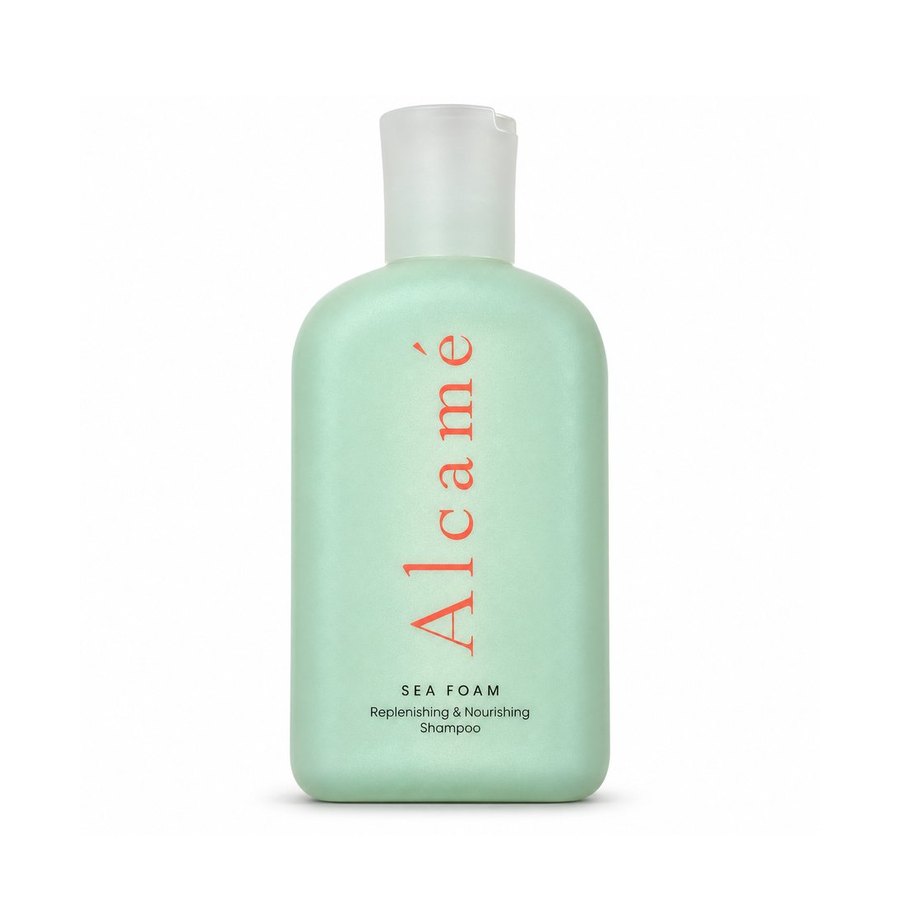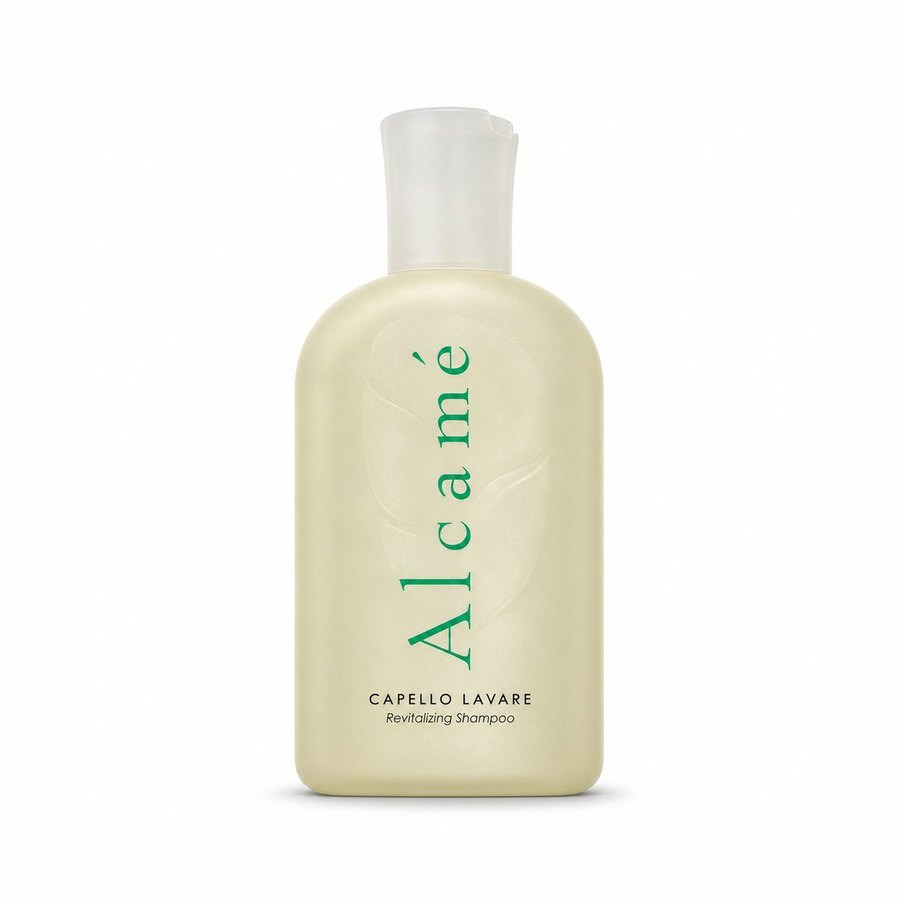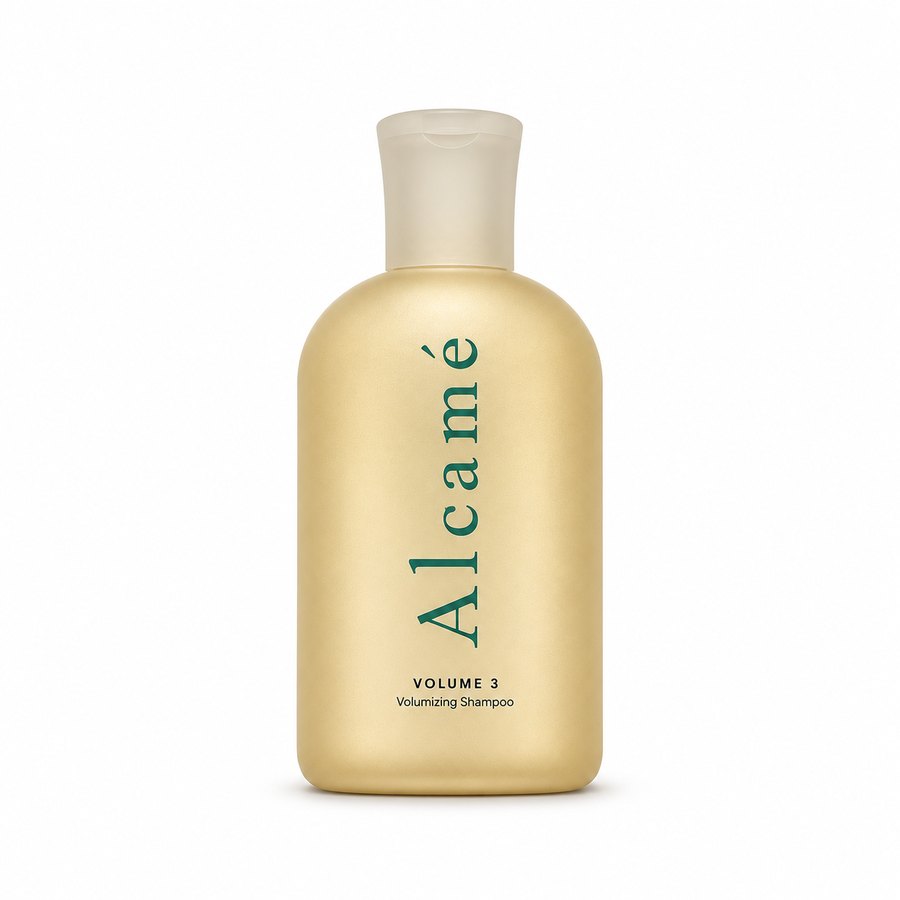
"Sulfate-free" is one of the most common claims on shampoo bottles, but it isn't always clear what it means or whether it matters for your hair. Here's what sulfates are, what changes when you remove them and who benefits most from making the switch.
What are sulfates?
Sulfates are a group of cleansing agents, or surfactants. The two you'll see most often on ingredient lists are sodium lauryl sulfate (SLS) and sodium laureth sulfate (SLES). Ammonium lauryl sulfate is another.
Surfactants work by attaching to oil and dirt on one end and to water on the other, so grime rinses away. Sulfates are very good at this. They're inexpensive, effective and produce a rich lather, which is why they've been used in shampoos for decades.
Why some people avoid them
The same strength that makes sulfates effective can be a drawback for some hair and scalp types. Because they remove oil so thoroughly, they can:
- Leave dry or curly hair feeling rough and stripped
- Make a sensitive scalp feel tight or itchy
- Speed up fading for some people with color-treated hair, especially when combined with hot water and frequent washing
- Feel harsh for anyone who washes every day
Sulfates aren't "toxic" or dangerous in rinse-off products at normal concentrations. The question is whether they're too strong for your hair, not whether they're unsafe.
What sulfate-free shampoos use instead
Sulfate-free formulas use milder surfactants, often derived from coconut, corn or other plants. Common examples on ingredient lists include:
- Cocamidopropyl betaine
- Sodium cocoyl isethionate
- Decyl glucoside and coco-glucoside
- Sodium lauroyl sarcosinate
- Disodium laureth sulfosuccinate
These clean effectively but take away less of the hair's natural oil, so hair is left softer and the scalp more comfortable.
What to expect when you switch
- Less lather. Sulfate-free shampoos usually foam less. That's normal, and lather isn't a measure of how well a shampoo cleans.
- An adjustment period. For the first few washes, hair may feel different, sometimes a little heavier, as it settles into a new routine.
- Use enough product, and rinse well. Massage the shampoo into the scalp thoroughly. If you use a lot of styling product, a second wash can help.
Who benefits most
Sulfate-free shampoo is especially worth trying if you have:
- Dry or curly hair that tends to feel rough after washing. See how to hydrate dry hair.
- Color-treated or chemically treated hair. See caring for color-treated and heat-damaged hair.
- A sensitive scalp. See hair care for a sensitive scalp.
- A daily washing habit, where gentleness adds up over time.
Who might not need it
If you have a very oily scalp, use lots of heavy styling products or have no issues with your current shampoo, a sulfate-based formula may suit you perfectly well. Some people also like to use a stronger clarifying shampoo occasionally to remove buildup, then use something gentler day to day.
Reading the label
"Sulfate-free" is a marketing claim rather than a regulated standard, so check the ingredient list. Look for the sulfate names above near the top of the list. If you don't see them, you're likely looking at a sulfate-free formula. It's also worth checking for the other things you care about, such as fragrance, dyes or silicones, since sulfate-free doesn't automatically mean free of everything else.
The bottom line
Sulfate-free shampoo isn't magic, but for dry, colored, curly or sensitive hair, a gentler cleanser can make hair feel softer and keep the scalp more comfortable. Pair it with a good conditioner and lukewarm water, and you'll get the most out of the switch.