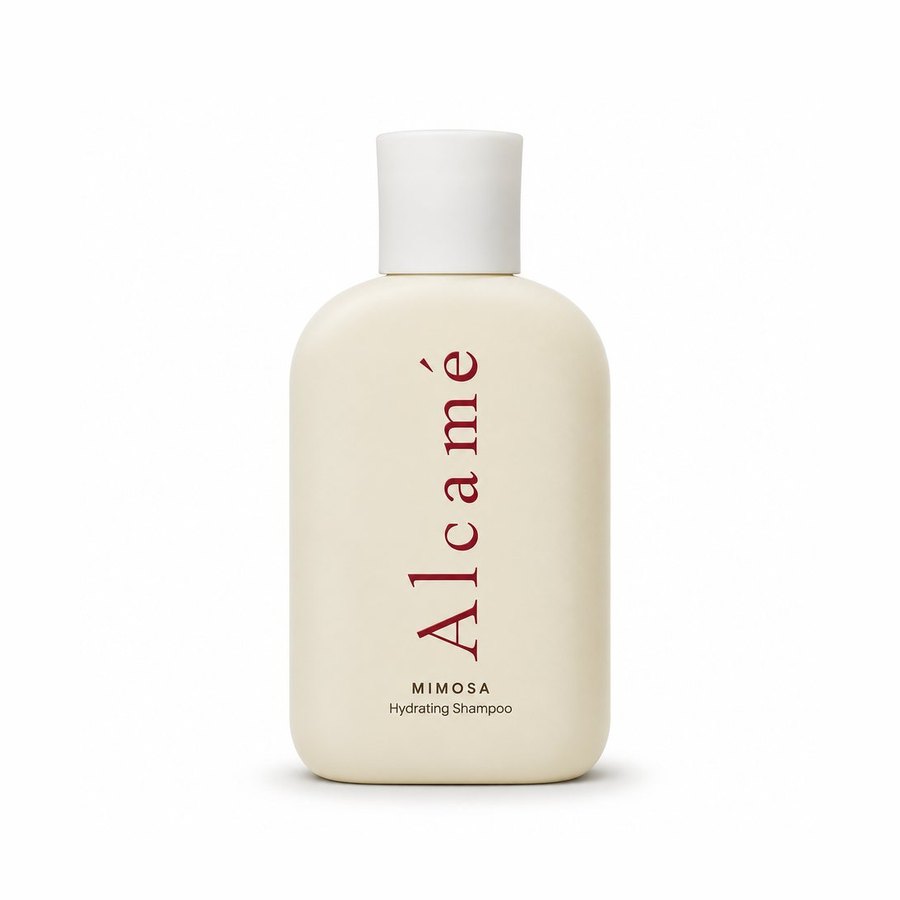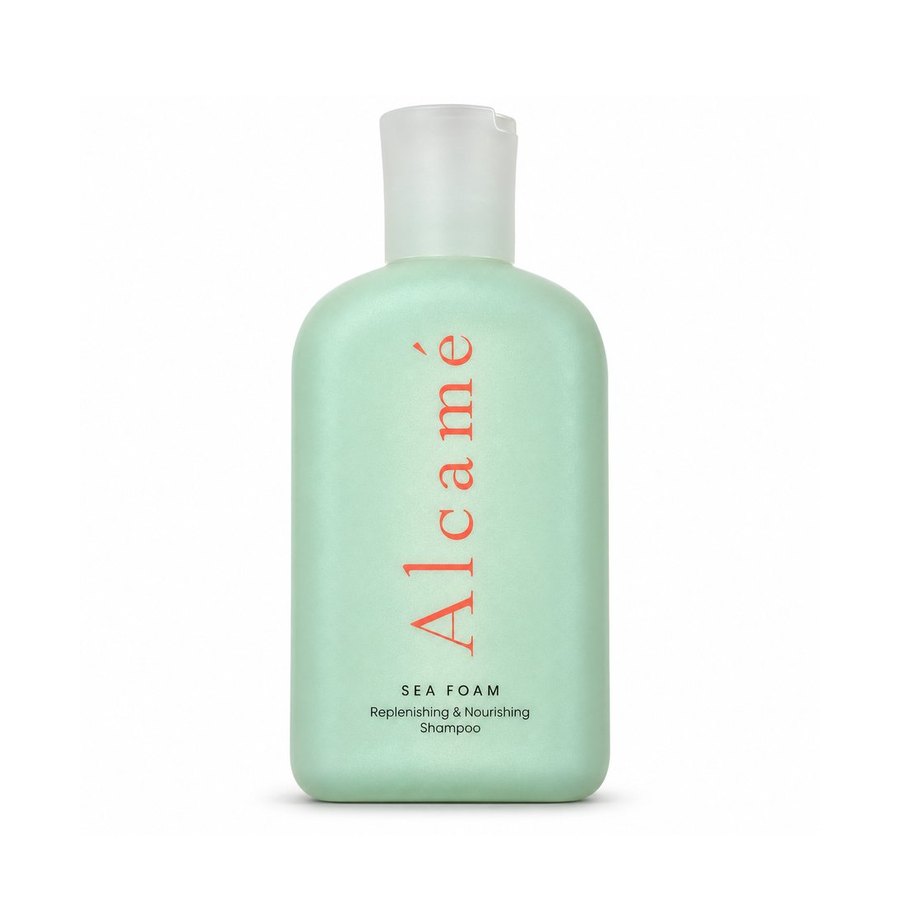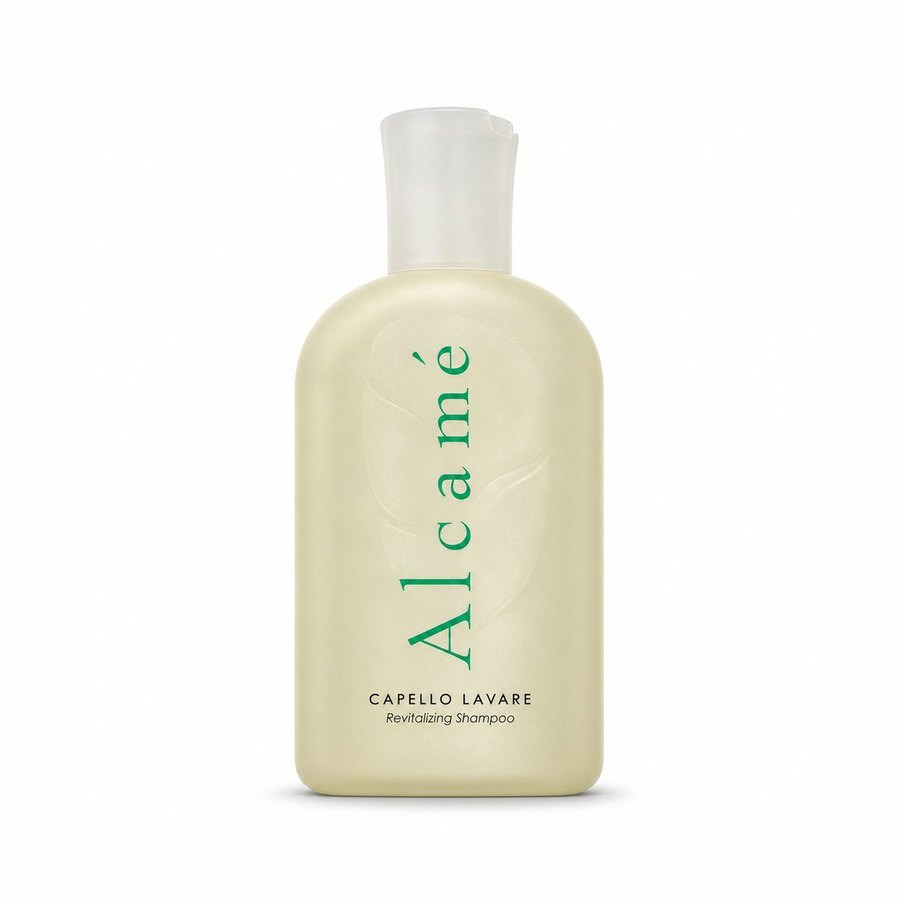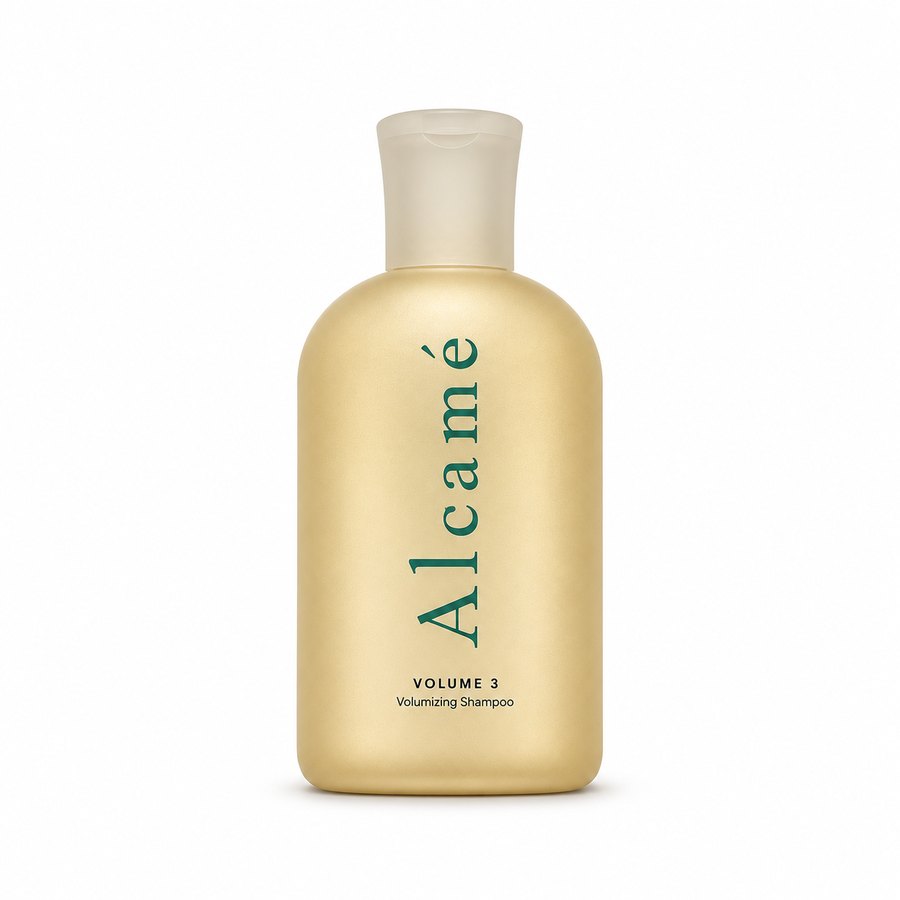
Walk down any hair-care aisle and you'll find shampoos for every possible need: hydrating, volumizing, smoothing, strengthening, gentle, clarifying. The labels can blur together. The easiest way to choose is to look at two things separately: your scalp and your hair.
Step 1: Look at your scalp
Shampoo's main job is to clean the scalp, so start there.
- Oily scalp: roots look greasy within a day or two. You'll want a shampoo that cleans thoroughly, and you may wash more often.
- Balanced scalp: roots stay fresh for two or three days. Most shampoos will work. Choose based on your hair's needs.
- Dry or tight scalp: your scalp feels tight or itchy after washing. Choose a gentle, sulfate-free shampoo and avoid very hot water.
- Sensitive or reactive scalp: you react to fragrance or certain ingredients. Look for fragrance-free, minimal formulas. See hair care for a sensitive scalp.
Step 2: Look at your hair
Now think about the lengths and ends.
Texture: fine, medium or coarse
Pull out a single strand and roll it between your fingers. If you can barely feel it, it's fine. If it feels like a thread, it's medium. If it feels thick and wiry, it's coarse.
- Fine hair is easily weighed down. Look for volumizing or lightweight formulas, and use conditioner only from the mid-lengths down.
- Medium hair is versatile. Choose based on whether it's dry, colored or prone to frizz.
- Coarse hair usually wants more moisture and smoothing. Hydrating formulas and rich conditioners suit it well.
Condition: dry, damaged or healthy
- Dry hair feels rough and looks dull. Choose a hydrating shampoo and a creamy conditioner.
- Damaged hair has split ends, breakage or a stretchy feel when wet, often from bleach, color or heat. Look for strengthening or revitalizing formulas with proteins, and plan on regular treatments.
- Healthy hair just needs a gentle routine to keep it that way.
Color-treated hair
Color fades a little with every wash. Gentle, sulfate-free shampoos, lukewarm water and less frequent washing help it last longer. See caring for color-treated and heat-damaged hair.
Curly and wavy hair
Curls tend to be drier because natural oils have a harder time traveling down the strand. Most curly routines rely on gentle, sulfate-free cleansers and generous conditioning.
Putting it together
| If your hair is… | Look for a shampoo that's… | Pair it with… |
|---|---|---|
| Fine and flat | Volumizing, lightweight | A light conditioner on the ends only |
| Dry and rough | Hydrating, sulfate-free | A rich, creamy conditioner |
| Dry and sun- or heat-stressed | Replenishing, nourishing | A conditioner you can also use as a treatment |
| Damaged or chemically treated | Revitalizing, with proteins | A strengthening conditioner and weekly treatments |
| Sensitive or reactive | Fragrance-free, minimal ingredients | A simple, fragrance-free conditioner |
| Oily at the roots, dry at the ends | Gentle but thorough | Conditioner on the ends only |
Shampoo and conditioner from the same line
Brands design shampoos and conditioners to work together, so pairing them is a sensible default. But mixing is fine too. If your scalp is oily and your ends are dry, a volumizing shampoo with a hydrating conditioner on the ends can work better than either matching set.
When to change shampoos
Your hair's needs shift over time. Switch things up when:
- The seasons change. Many people need more moisture in winter.
- You color, lighten or chemically treat your hair.
- Your hair starts to feel coated, limp or dull. A thorough wash or a change of formula can help.
- Your scalp starts to feel itchy or tight.
The bottom line
Choose your shampoo for your scalp, and your conditioner for your lengths. Use the table above as a starting point, and adjust based on how your hair feels after a couple of weeks.