Color, lightening and hot tools are some of the best ways to change how your hair looks, and some of the fastest ways to wear it out. The good news is that a few changes to your routine can keep processed hair looking healthier, feeling softer and holding its color longer.
What color and heat actually do
To change color, permanent dyes and lighteners open up the hair's protective outer layer, the cuticle, so they can reach inside the strand. Bleach goes further, breaking down natural pigment. Both leave the cuticle rougher and the hair more porous, so it absorbs water quickly and loses it just as fast.
High heat from flat irons, curling wands and blow-dryers dries the hair out and, over time, can weaken it. The combination of color and regular heat styling is especially hard on hair.
Signs your hair has been affected:
- Dryness and frizz that conditioner only partly fixes
- Split ends and breakage, especially around the face and at the ends
- A rough or stretchy feel when wet
- Color that fades quickly or turns brassy
- Tangles that are harder to work out
A gentler wash routine
Wash less, and wait after coloring
Every wash removes a little color. Washing two or three times a week instead of daily helps color last. Many colorists also suggest waiting a couple of days after a color service before your first wash.
Use a gentle shampoo
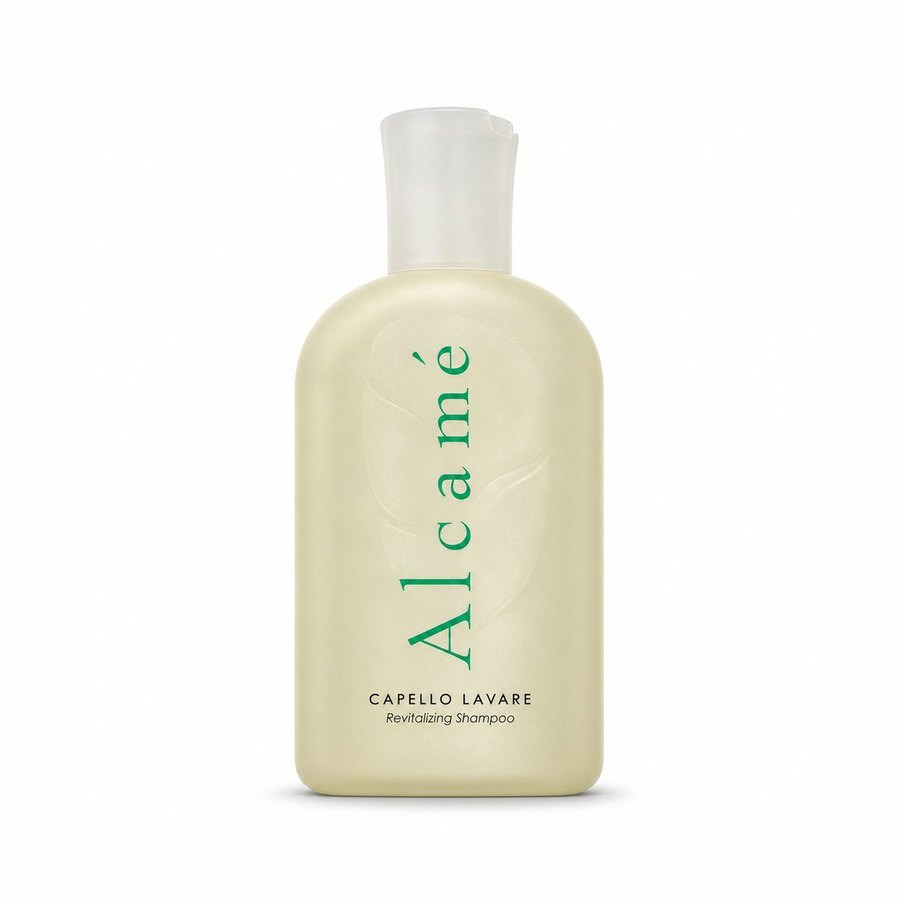
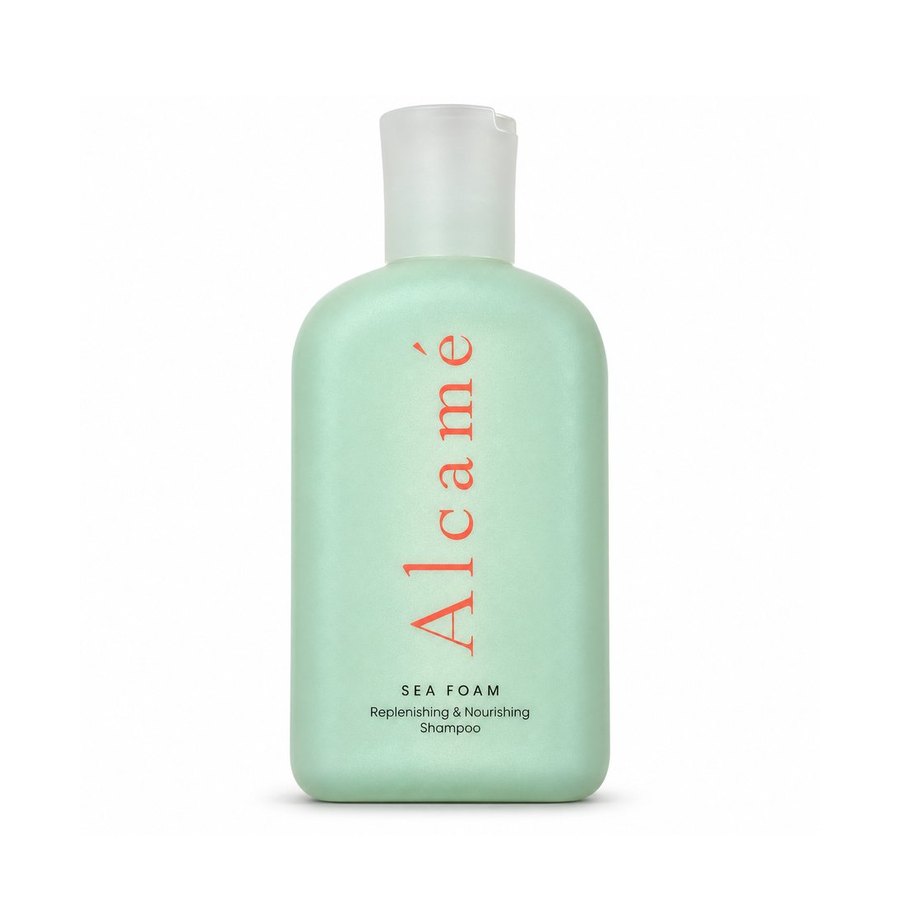
A sulfate-free shampoo cleans without stripping as much oil. That's kinder to dry, porous hair and can help color last longer.
Turn the temperature down
Hot water opens the cuticle and speeds up color loss. Wash and rinse with lukewarm water, and finish with a cooler rinse if you can stand it.
Condition every time
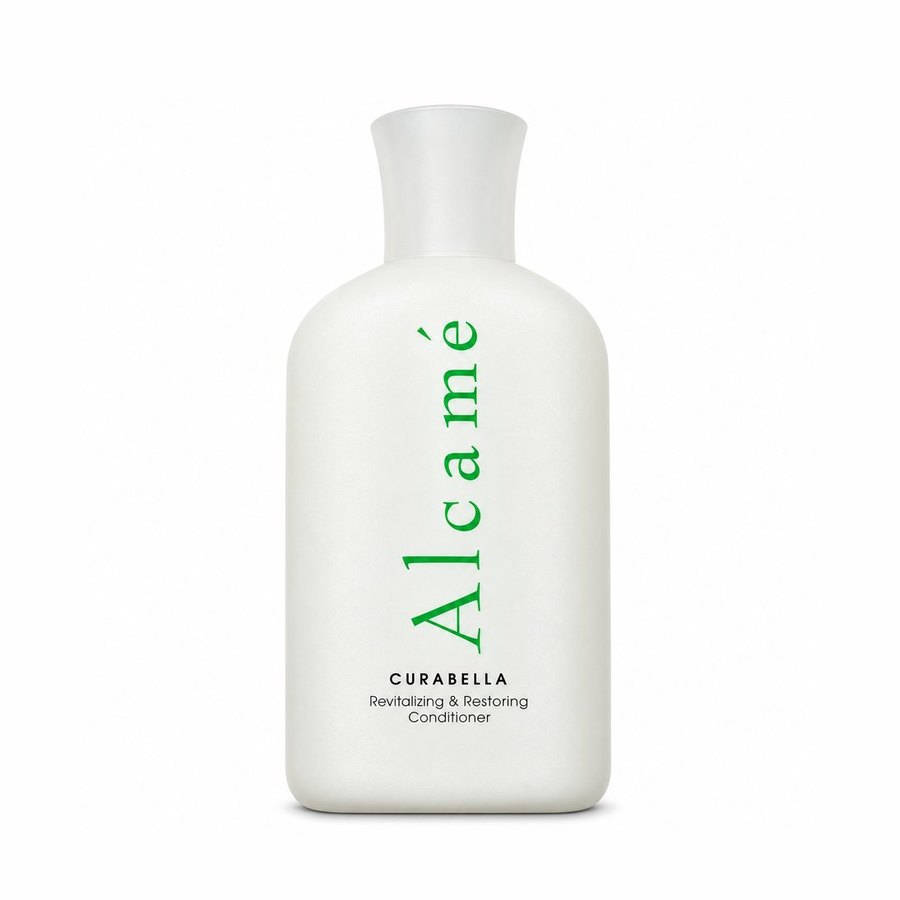
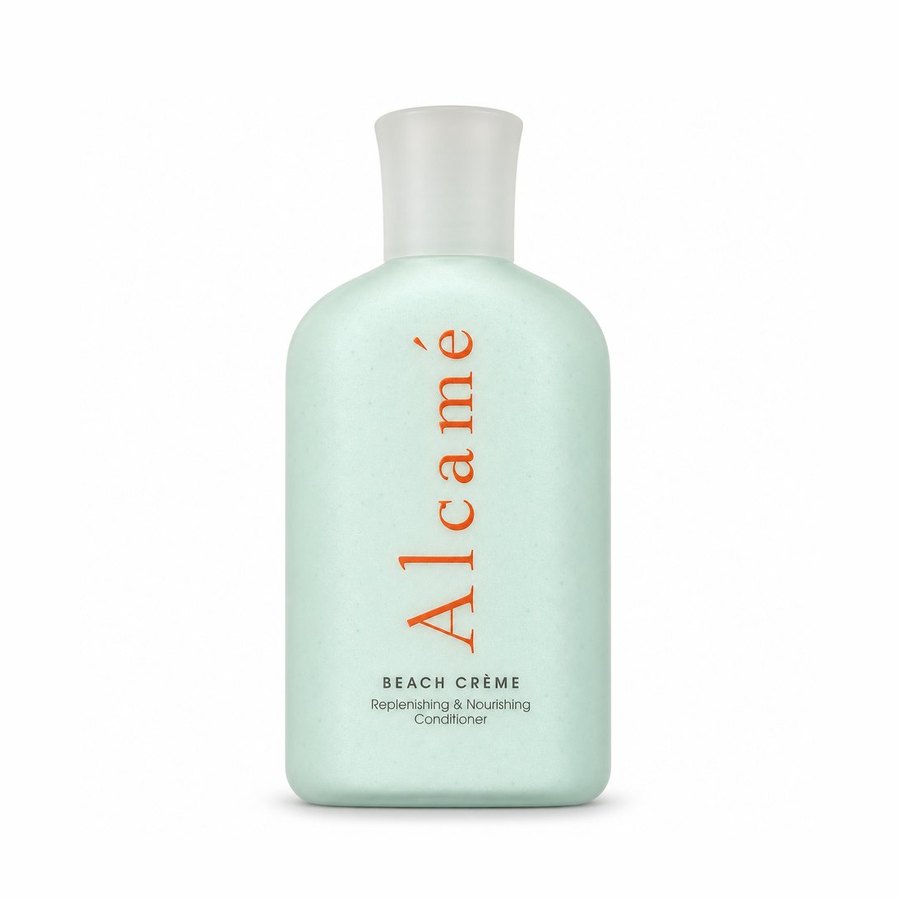
Processed hair needs conditioning after every wash. Use a nourishing conditioner from mid-lengths to ends, leave it on for a couple of minutes and detangle gently while it's in.
Add a weekly treatment
Once a week, use a deep-conditioning treatment, or leave your conditioner on for 10 to 15 minutes under a shower cap or warm towel. Formulas with proteins and amino acids can help hair feel stronger and look smoother, while moisturizing ingredients restore softness. If hair starts to feel stiff or straw-like, alternate protein-rich treatments with purely moisturizing ones.
Smarter heat styling
- Always use a heat protectant before blow-drying or using hot tools.
- Lower the temperature. Use the lowest setting that gets results. Fine or lightened hair rarely needs maximum heat.
- Don't flat-iron wet hair. Make sure hair is completely dry first.
- Limit passes. One slow pass with a flat iron does less harm than several quick ones.
- Take heat-free days. Air-dry when you can, or try heatless styles a few days a week.
- Rough-dry first. Let hair air-dry partway, or rough-dry it without a brush, before using a brush and more focused heat.
Protect against the elements
UV light fades color and dries hair, and chlorine and salt water are both drying. Wear a hat in strong sun. Before swimming, wet your hair with fresh water and apply a little conditioner so it absorbs less pool or ocean water, then rinse and condition afterward.
Be realistic about split ends
Conditioners and treatments make damaged hair look and feel much better, and they help prevent further breakage. But once an end has split, it can't be permanently repaired. Regular trims, every 8 to 12 weeks or so, keep damage from travelling up the strand and make the rest of your routine more effective.
Habits that add up
- Detangle from the ends up, using a wide-tooth comb on wet hair.
- Use soft, snag-free hair ties and avoid very tight styles.
- Sleep on a silk or satin pillowcase, or loosely braid long hair at night.
- Give your hair breaks between bleach or chemical services, and talk to your colorist about bond-building options.
The bottom line
Processed hair needs gentler cleansing, regular conditioning, less heat and a little protection from the elements. Build those habits, and your color will last longer and your hair will look healthier between appointments. For more on restoring moisture, see how to hydrate dry hair.