Dry hair is one of the most common hair complaints, and one of the most fixable. It usually isn't a sign that something is wrong with your hair. More often it means the routine is taking out more moisture than it puts back. This guide covers why hair gets dry, how to tell dry hair from damaged hair, and a straightforward routine to bring back softness and shine.
Why hair gets dry
Each hair is wrapped in a layer of overlapping cells called the cuticle. When the cuticle lies flat, it holds moisture in and reflects light, so hair feels smooth and looks glossy. When it's lifted or roughed up, moisture escapes more easily and hair feels coarse, tangles more and looks dull.
Your scalp produces natural oils that help protect the hair, but those oils travel down the strand slowly. That's why the ends are usually the driest part, especially on long, curly or coily hair, where oil has further to travel or a harder time moving along the strand.
Common reasons hair dries out:
- Harsh or frequent cleansing. Strong detergents strip natural oils along with dirt and product.
- Heat. Blow-dryers, flat irons and curling tools all pull moisture out of the strand.
- Color and chemical services. Lightening, permanent color, perms and relaxers all open up the cuticle.
- Sun, wind and swimming. UV light, salt water and chlorinated pools are all drying.
- Dry indoor air. Winter heating can leave hair feeling brittle and full of static.
Dry hair or damaged hair?
They often go together, but they aren't the same thing. Dry hair lacks moisture: it feels rough, looks dull and tangles easily, but it bounces back once it's properly conditioned. Damaged hair has structural wear, such as split ends, breakage and a stretchy or gummy feel when wet. Conditioning makes damaged hair look and feel better, but split ends can't be glued back together. The only real fix is a trim.
A quick check: if your hair feels noticeably better for a day or two after a good conditioning session, dryness is the main issue. If it snaps easily or the ends keep splitting no matter what you use, you're dealing with damage as well. Our guide to caring for color-treated and heat-damaged hair covers that side.
A wash-day routine for dry hair
1. Wash less often, and wash gently
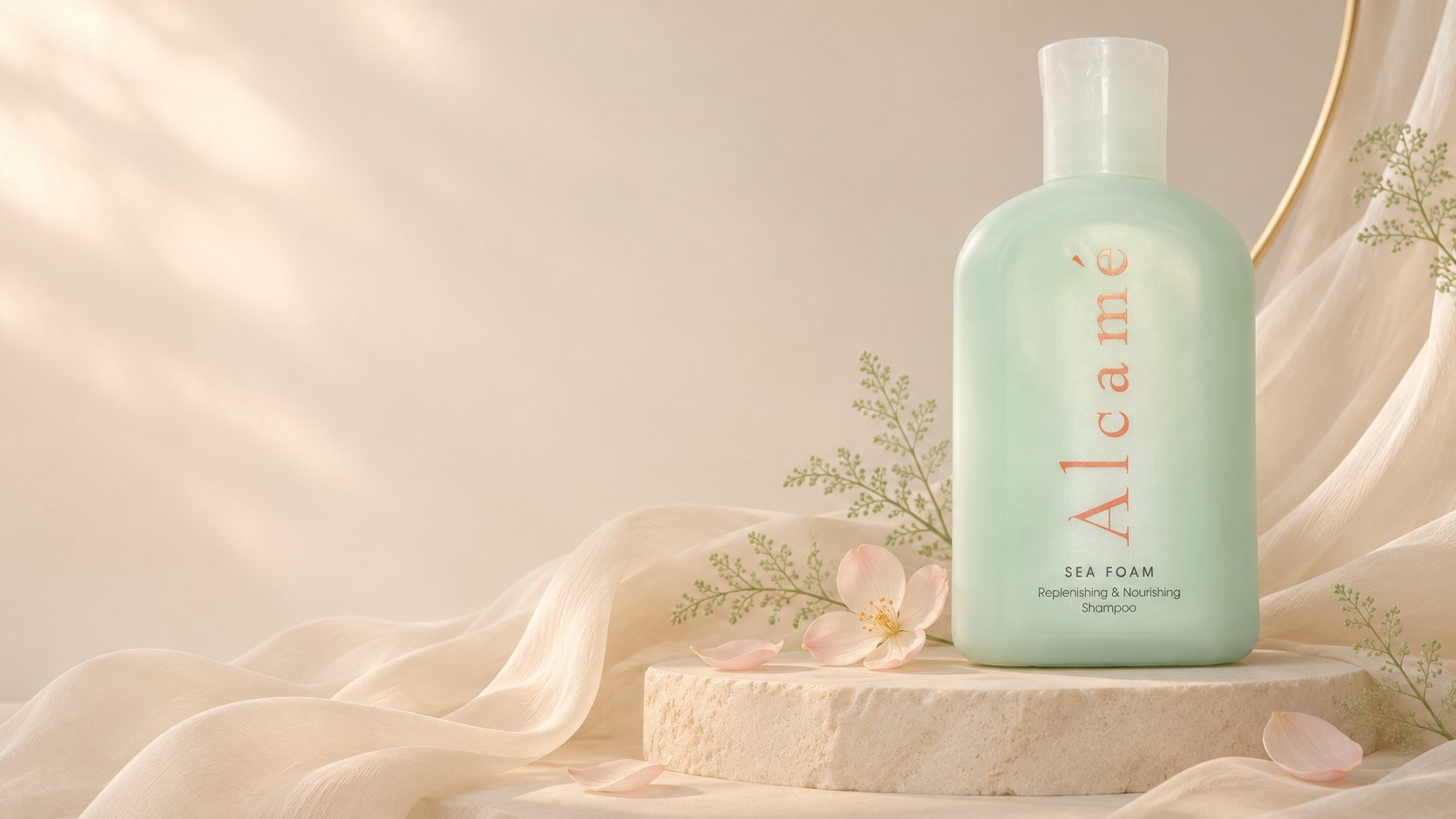
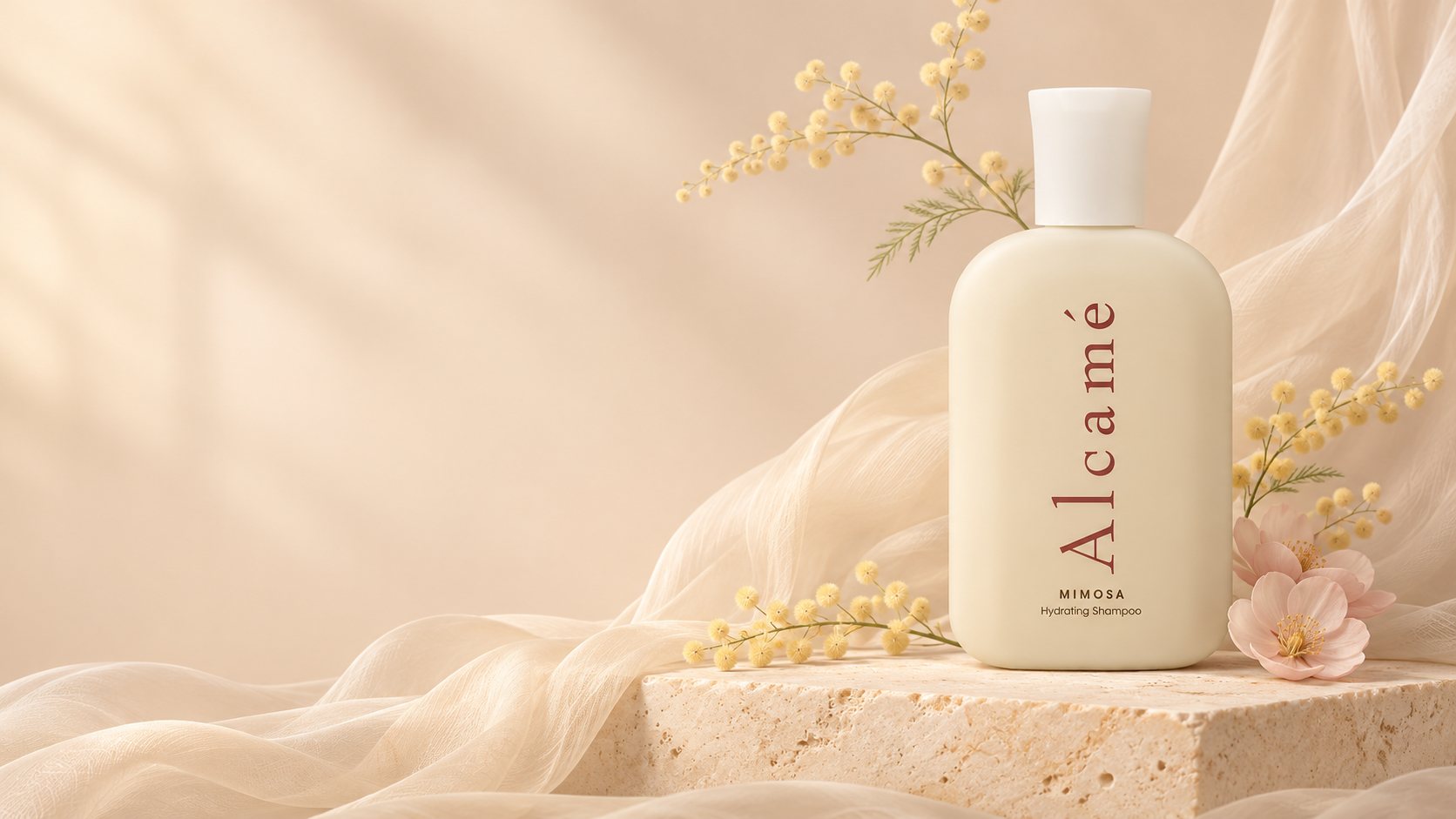
Most people with dry hair do best washing two or three times a week rather than daily. When you do wash, choose a gentle, sulfate-free shampoo. Focus it on the scalp, where oil and buildup actually collect. The suds that rinse through the lengths are enough to clean them.
2. Use lukewarm water
Very hot water feels good but strips more oil. Lukewarm water cleans just as well and is kinder to dry hair and scalp.
3. Condition every time, from mid-lengths to ends
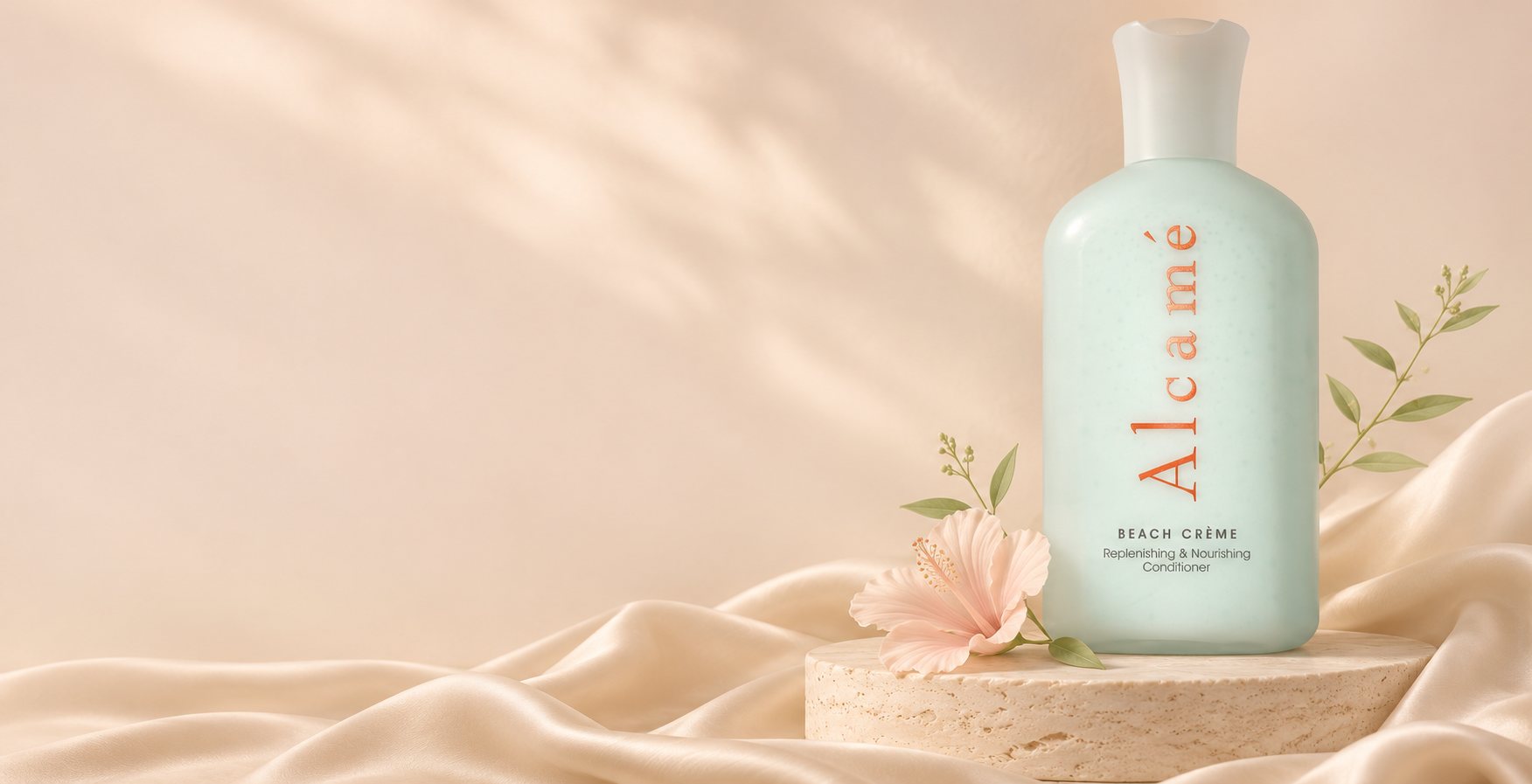
Conditioner is where hydration really happens. Squeeze out excess water first so the conditioner isn't diluted, then work it through the mid-lengths and ends. Leave it on for at least a minute or two. A rich, creamy conditioner is usually the best match for dry hair.
4. Detangle while the conditioner is in
Wet hair is at its most fragile. Detangle with your fingers or a wide-tooth comb while the conditioner gives slip, starting at the ends and working up toward the roots.
5. Add a weekly deep-conditioning session
Once a week, or after a swim or a color appointment, leave your conditioner on for 10 to 15 minutes. Covering your hair with a shower cap or a warm towel helps it work in. Many daily conditioners can double as a treatment this way.
6. Dry gently
Rubbing with a rough towel lifts the cuticle and creates frizz. Blot or squeeze with a soft towel or an old cotton T-shirt instead. Let hair air-dry partway before using a blow-dryer, and use the lowest heat setting that gets the job done.
Everyday habits that help
- Use heat protection before any hot tool, and keep the temperature as low as you can.
- Rinse after swimming. Rinse with fresh water before and after the pool or ocean. Wet hair absorbs less chlorine or salt water.
- Sleep on silk or satin. A smoother pillowcase causes less friction overnight.
- Get regular trims. Removing dry, split ends every couple of months stops the dryness from looking worse than it is.
- Protect against the sun. A hat on long sunny days helps prevent the dry, faded look UV can cause.
How to tell it's working
Within a few washes, hydrated hair should feel softer, detangle more easily and look shinier, especially at the ends. If your hair starts to feel limp or greasy, you may be using more conditioner than you need. Use a little less, or keep it further away from the roots.
If your hair is fine as well as dry, you may want a lighter conditioner so you keep your lift. Our guide to adding volume to fine hair explains how to balance moisture and body.